Power your home
Enjoy price security with Safe Harbor fixed price energy plans

Enjoy price security with Safe Harbor fixed price energy plans
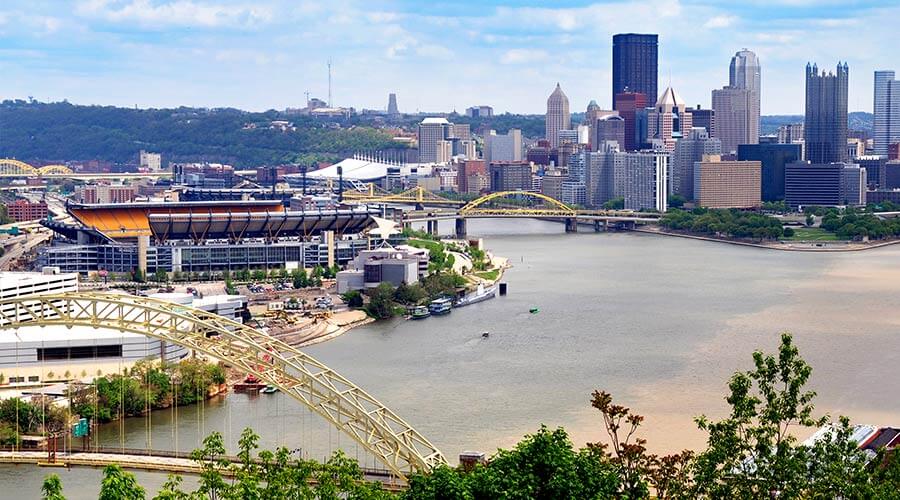
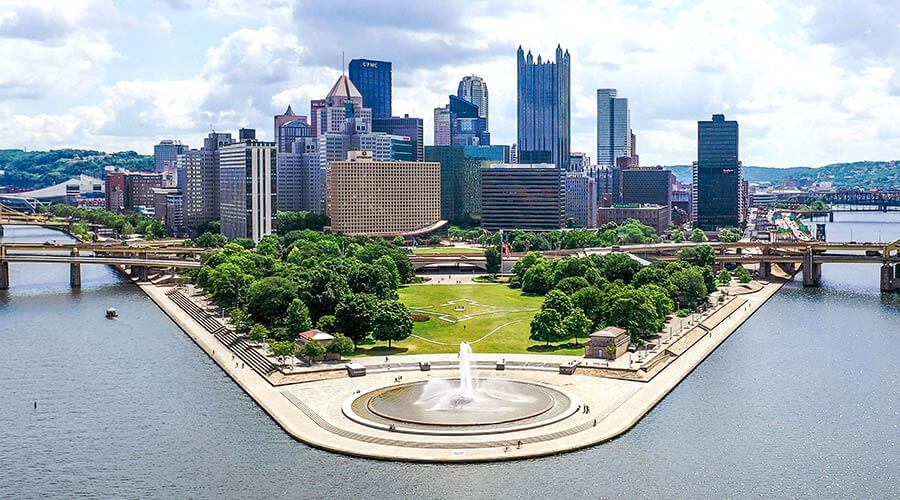
Pittsburghers take great pride in their city – and have from the day French settlers staked claim to the land because of its excellent trading location. When the industrial revolution came around, workers and steel magnates alike touted the ease of shipping supplies to Pittsburgh. Today, Pittsburghers beam when they exit the Fort Pitt Tunnel on U.S. 19 and see their city’s
skyline shine.
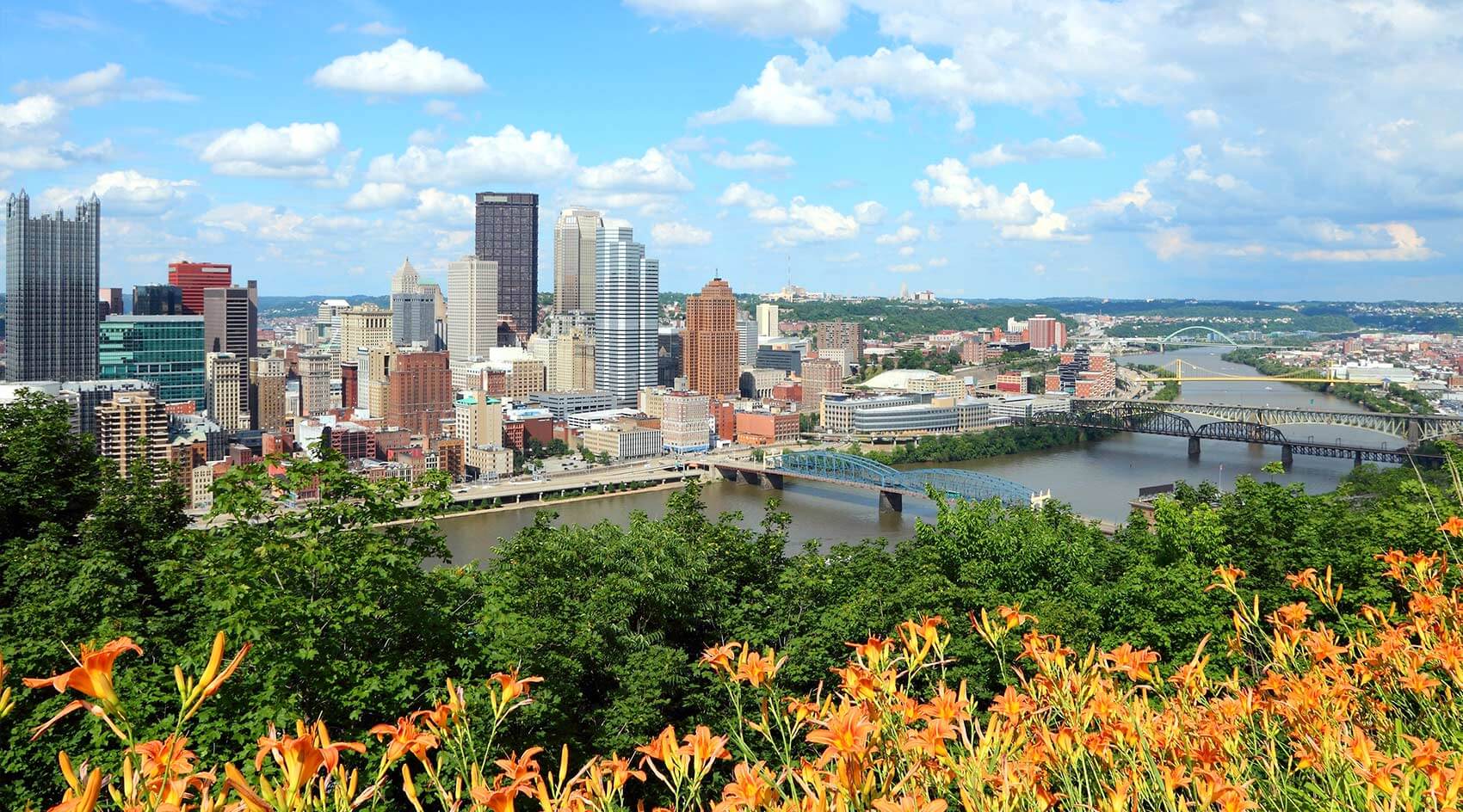
It all has to do with the convergence of three rivers: the Ohio, Allegheny and Monongahela. This confluence provided plentiful food for early Americans, a trading route to other states, and an easy supply chain from West Virginia coal mines. Boats still chart this path, giving it the name the “Golden Triangle.”
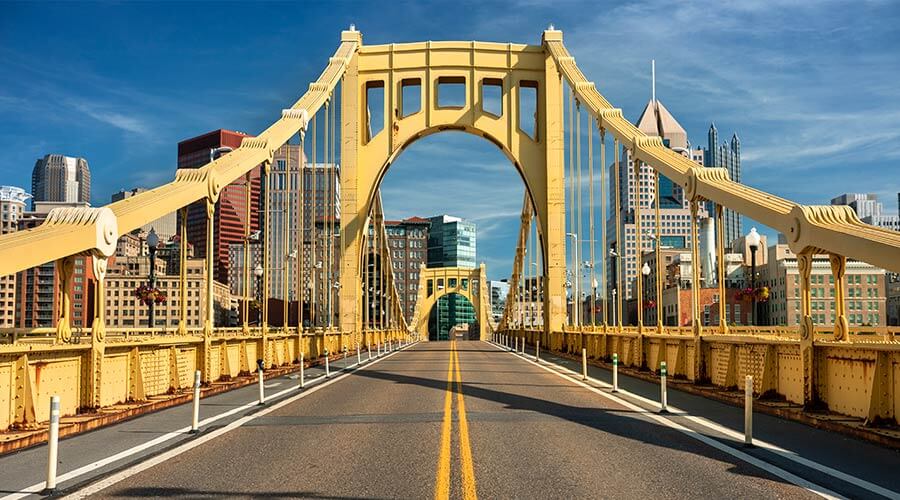
The rivers may be a spectacle to look at and useful in many ways, but rivers and hills can make any area a tough place to navigate. Pittsburghers knew this, however, even back at the city’s founding. Starting with stone, and soon turning to steel, Pittsburgh built 446 bridges to help its citizens get around. That’s more bridges than Venice, Italy.
If you want an affordable way to reinvent yourself, moving to Pittsburgh is a good choice. Ranked No. 45 out of America’s top 100 places to live by Livability, Pittsburgh continues to evolve. The Steel City began as a blue-collar town in the heart of Allegheny County, exporting - you guessed it – steel. Today, Pittsburgh is much more than steel and manufacturing. Burgeoning technology, robotics and healthcare sectors with companies like Duolingo, ESTAT Actuation and Viatris are a testament to the city’s ongoing reinvention.
Even with such growth and reinvention, Pittsburgh is still one of the less expensive U.S. cities to live in, with a cost of living less than Pennsylvania’s overall rating, according to Sperling’s Best Places. Pittsburgh’s average housing cost is less expensive than the rest of Pennsylvania’s – including Philadelphia – with a median value of $125,000. The average rate of natural gas and electricity is competitive with the national average, and homeowners can find the plan that works best for them by comparing energy rates and switching natural gas and electricity suppliers.
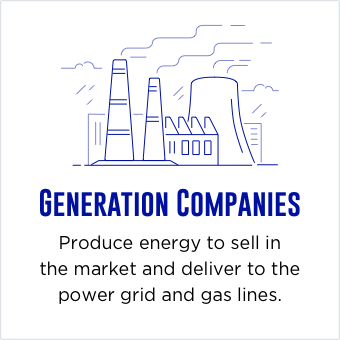
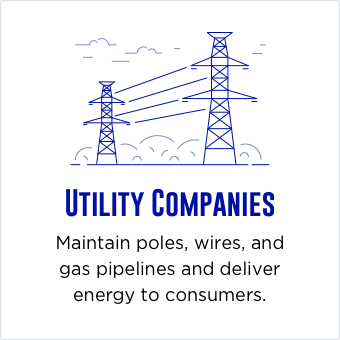
Pennsylvania is an Energy Choice state, which means you get to choose the company that supplies electricity and natural gas to your home. The process of generation, supply, and management is done by three separate companies:
Your supplier buys energy wholesale from generators and sells that energy to the consumer through fixed and variable rate plans. Fixed rate plans provide a consistent monthly rate throughout the course of a contract, while a variable rate can fluctuate month to month, rising and falling with the market. You can also find suppliers that purchase electricity from clean or renewable energy sources.
Electricity rates in Pittsburgh for homeowners average about 11 cents per kWh, which is 3.7% less than the national average of 12 cents per kWh. At $107 a month, you’ll tell your friends, “The average electric bill in Pittsburgh, Pa. is a-Okay!” If you’re moving your business to the Steel City, the mean commercial electricity rate is only 4 cents per kWh, over 60% less than the national average rate of 10 cents per kWh. With a good plan, however, your rate could be even lower.
Once you’ve chosen a plan, your new supplier will work with your utility company to make the switch. The primary electric utility company in Pittsburgh is Duquesne Light. Natural gas utility companies include Columbia Gas of Pennsylvania, Peoples Natural Gas, and Peoples Natural Gas - Equitable Division.
Enter your zipcode to find 100% Green plans in your area.
After picking a supplier, you’ll need to complete a few other steps before packing up the van for the Steel City. These five steps will save you five headaches down the road, especially on move-in day.
Check out the Energy Harbor Moving Center for more tips
When Pittsburghers come home, they love to use the Fort Pitt Tunnel on the city’s west side. Once you emerge, the skyline looks magnificent, giving you the best view of the Steel City. To appreciate the skyline even more, check out these area attractions
Pittsburgh sports fans call the North Shore home. This riverside area contains both Heinz Field (home of the Steelers) and PNC Park (home of the Pirates) within half of a mile of each other. The area also features a river walkway, providing great views of the city. When you’re done watching sports, check out The Andy Warhol Museum – it holds a large collection of pop art by the famous artist.
Bloomfield is Pittsburgh’s Little Italy, three miles east of downtown, home to more than five generations of Italian immigrants. The neighborhood is also one of the Steel City’s most prominent restaurant hubs, providing visitors with a diverse culinary selection. Once you’ve had your fill of Tessaro’s burgers or an Italian pasta dish, plan another visit for the next delicious journey. Maybe you can time it up with one of Bloomfield’s famous parades at Halloween or in August
On the outskirts of downtown lies a former major industrial zone now known as the Strip District. Grocery stores that showcase the city’s diverse population are a wonderful way to spend the day. Finish off by visiting one of the micro-breweries or distilleries that help make the Strip a unique shopping experience.
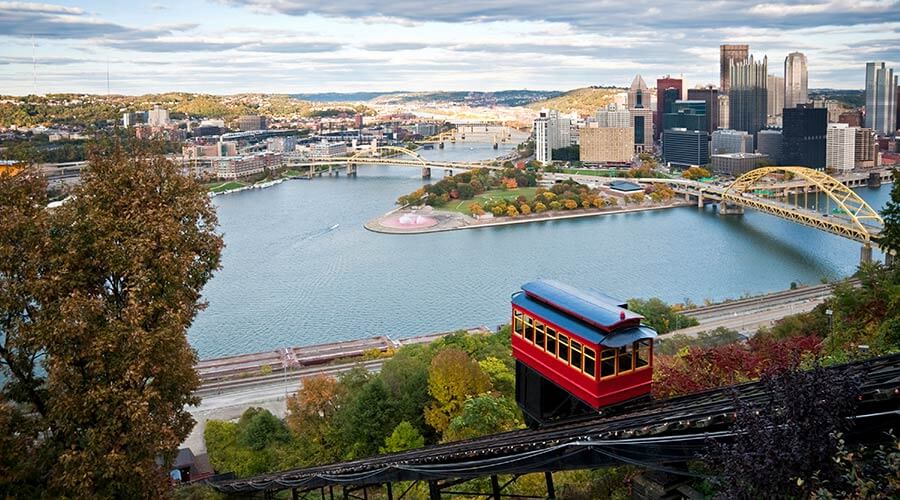
To get the best view of Pittsburgh’s incredible skyline, either drive through the Fort Pitt tunnel or visit the quaint neighborhood of Mount Washington just above. The parks that overlook the city provide fun walks for hikers and dog-owners alike. They line Grandview Avenue, which you can access via two incline cable cars that take you right to the action up top.
Pittsburgh’s rise to fame during the industrial revolution and revival in the 2010s gives the Steel City its unique history and infrastructure. Here are some of the more interesting ways Pittsburgh developed.
When settlers moved into the hills of Pittsburgh, they knew they had to plant themselves near the three rivers. They perfected the construction of sturdy bridges – and plenty of them – to help the population traverse the uneven terrain. This tradition continued into the industrial revolution, now with steel as the material. Today, Pittsburgh has 446 bridges in its city limits, even more than Venice, Italy.
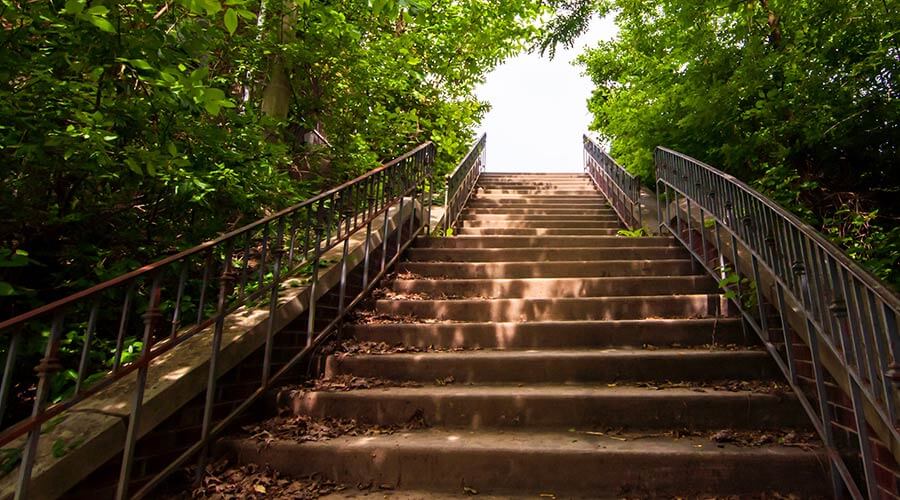
For the avid walker, Pittsburgh is one of the most interesting cities to explore because of its hills and stairs. The city has over 712 sets of stairs amounting to 24,108 feet in height. Climbing every one of these steps is about the same as climbing the Eiffel Tower 25 times.
Settlers made this hilly area their home for one large reason: the rivers. These rivers connect Pennsylvania to the east with the Allegheny River, the south with the Monongahela River, and the west with the Ohio River. Today, Point State Park rests at the convergence in what’s called Pittsburgh’s Golden Triangle. Besides being a national landmark, Point State Park also contains a fountain that shoots river water 150 feet into the air.
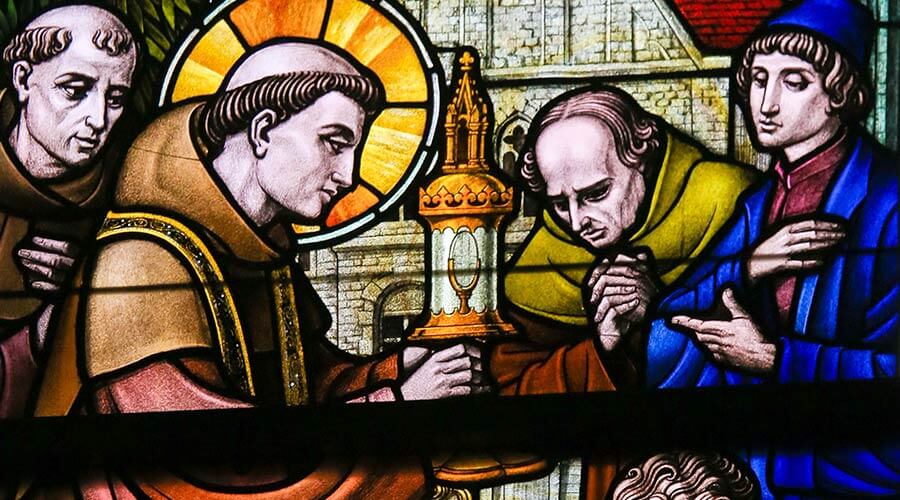
The Carnegies founded the steel industry in Pittsburgh, but they were also advocates of art. The Andy Warhol Museum contains more than 500,000 objects in its archives, including 12,000 paintings. Rev. Suitbert Godfrey Mollinger of St. Anthony’s chapel had a fascination with collecting relics as well. His collection grew so large that people visited his chapel just to see the artifacts and take a step back in time. Today, St. Anthony’s houses over 5,000 relics of saints and martyrs, the largest collection in the world outside of the Vatican.
Enter your zipcode to find 100% Green plans in your area.