Power your home
Enjoy price security with Safe Harbor fixed price energy plans

Enjoy price security with Safe Harbor fixed price energy plans
Enter your ZIP code to see energy plans in your area.
Signing up was super simple, fast and great rate!! Looking forward to a seamless transition :)
Easy to deal with and great longer term electricity rate!
The Keystone State deregulated its electricity market in 1996 with the Electricity Generation Customer Choice and Competition Act. Deregulation in Pennsylvania created a vibrant, competitive energy market.
Today, Pennsylvania residents can compare natural gas and electricity plans from several energy companies. Competition empowers customers to avoid seasonal rate changes and gives consumers more energy choices, including clean, carbon-free energy and renewable energy options.
If you want to shop and save and are curious about where to start, we’ll walk you through it.
Here’s all you need to know.
Only 17 states, including Pennsylvania, enjoy some form of deregulation. Most of those states were inspired by the federal government’s Energy Policy Act of 1992. The goal of the legislation, signed into law by President George H.W. Bush, was to promote energy efficiency, renewable and sustainable energy, and the development of alternative fuels. Highlights include:
Energy Choice is a freedom Pennsylvanians have enjoyed since 1996, when the state passed the Electricity Generation Customer Choice and Competition Act. The act created a competitive energy market, allowing consumers to switch from their single, local utility to one of several electricity suppliers. By introducing competition, the state would provide consumers with more options, lower electricity rates, and, hopefully, higher energy efficiency statewide.
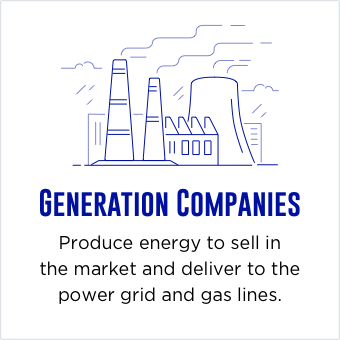
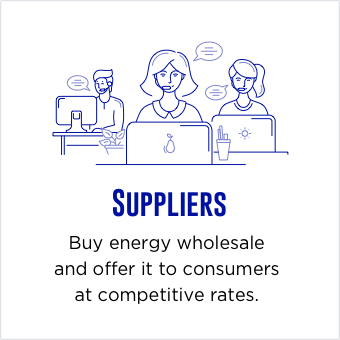
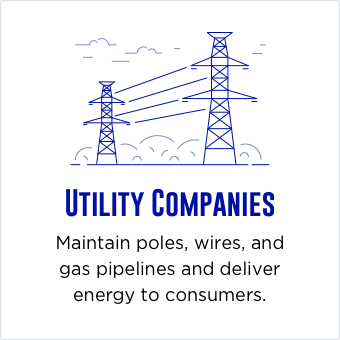
Energy reaches Pennsylvania homes and businesses through the interconnected work of three types of electricity and natural gas companies – generation companies, suppliers, and utility companies.
Securing a competitive rate for electricity is one of the biggest advantages of Energy Choice. Customers can compare Pa. energy suppliers and select the right kind of plan to meet their unique needs.
To help Pennsylvania residents find the best electric rates in Pa., the Pennsylvania Public Utility Commission offers resources for comparing energy suppliers. The Pennsylvania Office of Consumer Advocate also provides shopping guides and price comparison charts to help customers make smart energy decisions.
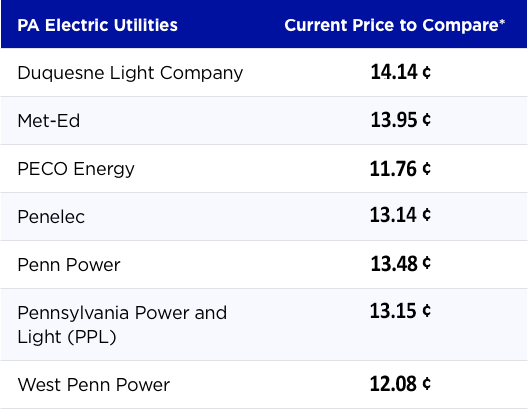
*Current Price to Compare rates accurate as of 6/01/2026. Rates may have changed since this date. Source: Pennsylvania Public Utility Commission
The Pennsylvania Public Utility Commission’s PA PowerSwitch website helps customers through this process by making it easy to compare rates offered by Pennsylvania electricity suppliers. Consumers can do so through Price to Compare (PTC) rates. This number is the cost per kilowatt hour the utility charges for electric supply. Compare this number to the rate offered by each supplier to help determine which plan is best for you.
While the Price to Compare is helpful to determine whether an offer from an alternative supplier is competitive, it only addresses the supply portion of your energy bill. The cost associated with other components, such as transmission and distribution service and maintenance, are separate.
The Price to Compare for Pa. electric rates typically ranges between $0.04 and $0.08 per kilowatt hour in any given month, though could be higher or lower. Including other costs and fees from utilities, residential customers in Pennsylvania pay an average total of $0.0918 per kilowatt hour on their electric bill.
Seven utility companies in Pennsylvania are responsible for distributing and transmitting electricity to the more than 145 million people who live and work in the state.
Serving the Pittsburgh area and providing reliable power distribution and customer service to residential and commercial customers.
Serving customers in eastern and southeastern Pennsylvania, delivering electricity with a focus on safety, reliability, and community engagement.
The largest electric and natural gas utility in Pennsylvania, serving customers in the Greater Philadelphia area with a commitment to delivering safe, reliable, and affordable energy services.
Serving customers in northwestern and central Pennsylvania, the utility is dedicated to providing dependable electricity and supporting the communities it serves.
Focused on delivering reliable power and maintaining a strong presence in the communities it serves in western Pennsylvania.
Commonly known as PPL, the utility offers customers in central and eastern Pennsylvania safe and sustainable energy solutions while actively participating in community development and environmental stewardship.
Serving customers in southwestern Pennsylvania, the utility is committed to delivering safe and reliable electricity while supporting economic growth and community vitality.
Five companies distribute natural gas to customers throughout the Keystone State.
Provides reliable and safe distribution of natural gas to residential and commercial customers in Pennsylvania.
Serving customers in Pennsylvania, the company provides dependable gas distribution services and focuses on environmental stewardship.
Delivers safe and affordable natural gas services to residential, commercial, and industrial customers.
The largest municipally-owned natural gas utility in the U.S., the company serves the city of Philadelphia with reliable natural gas distribution and related energy services.
Delivers safe and affordable natural gas with a strong commitment to customer satisfaction and community support.
If you’re ready to start comparing electric prices in Pa. – and maybe make a switch – here are six simple steps you can follow to ensure switching success.
Knowing how much you pay monthly for electricity and natural gas – as well as how that price is determined – will help you make a more informed decision when comparing plans.
Most electricity plans come in one of two varieties – fixed rate and variable rate. With a fixed rate, you pay the same rate each billing cycle through the plan contract, regardless of fluctuations in the energy market. The price you pay for electricity could shift significantly from month to month with a variable rate plan, depending on market prices.
Learn more about the pros and cons of fixed-rate and variable-rate plans by reading The Truth About Variable-Rate and Fixed-Rate Plans
Short-term plans typically last 6 to 12 months. Long-term plans can extend beyond 18 – even up to 36 months. Short-term plans are best if you regularly shop for new rates. Long-term plans lock in a great rate for a big stretch of time.
Long-term fixed-rate plans also provide price stability and protection from potential price increases in the energy market. With a fixed-rate plan, you can budget your energy expenses with more certainty. Additionally, long-term fixed-rate plans can offer peace of mind and reduce the stress of constantly monitoring and shopping for new energy rates.
Some energy companies offer incentives to entice you to make the switch. Make sure you don’t miss out on those offers before switching energy companies. Incentives range from gift cards to energy-efficient products and everything in between. These incentives can make the switch to clean energy even more attractive and financially beneficial.
When researching energy suppliers, it's important to choose a plan that matches both your individual values and your budget. If you are environmentally conscious, for example, you may want to consider renewable and clean energy sources or evaluate the environmental impact of each supplier. Read reviews, visit social media, and take time to learn more about each energy company. The right research will reveal the best electric supplier in Pa. for your needs.
Making the switch to the new provider is simple. In fact, your new supplier will manage the entire process with your electric utility company.
No matter who your electric supplier is, local utility companies remain responsible for the service and maintenance of the electricity transmission and distribution infrastructure. All outages and downed power lines should be reported to your local utility immediately.
If you plan on moving soon, find out which service areas are covered by your supplier. If they offer plans in your new area, they may be able to help transfer service.
Still have questions about how to switch? Check out How to Choose an Electricity or Natural Gas Plan to learn more.
What to expect when switching to a new electric supply company like Energy Harbor
When it comes to climate change, carbon emissions from fossil fuels are “by far the largest contributor to global climate change, accounting for 75% of global greenhouse gas emissions and nearly 90% of all carbon dioxide emissions,” according to the United Nation’s Climate Action task force.
Because generating electricity via nuclear power is a carbon-free, zero-emission product, it is defined as a clean energy resource. One that is as clean as renewable energy, according to the International Panel on Climate Change. Nuclear power avoids more than 471 million metric tons of carbon dioxide emissions annually, nearly equivalent to removing 100 million passenger cars from the road.
It’s more than that, of course. Nuclear energy produces more electricity on less land than any other clean-air source. To produce the same amount of electricity as a 1,000-megawatt nuclear facility, you would need more than 3 million solar panels or more than 430 wind turbines, says the U.S. Office of Nuclear Energy.
Nuclear power also produces a fraction of the waste other energy resources do. Nuclear fuel produced in the U.S. over the last 60 years would fit on about 10 yards of a standard football field. And in the future, much of this waste will be reprocessed and recycled.
Energy Harbor is proud of its ability to offer zero-carbon energy plan options that empower consumers to contribute to a clean energy future. Pa.'s Beaver Valley plant helps generate safe, reliable nuclear energy.
Energy Harbor is a retail energy supplier, delivering carbon-free and green electricity plans to homes and businesses across multiple States. Our plans provide long-term fixed price protection against fluctuating energy prices.
Energy Harbor provides dependable, affordable, carbon-free electricity to Pennsylvania homes and communities.
Enter your zip code to see energy plans in your area.
If you’re asking Why is my electric bill so high? month after month, we can help you understand.
What to look for when comparing energy plans so you can make the best choice for your lifestyle.
Explore Allentown, Pennsylvania, a vibrant city rich in history and modern attractions. Discover energy choices and moving tips.