Power your home
Enjoy price security with Safe Harbor fixed price energy plans

Enjoy price security with Safe Harbor fixed price energy plans
Not long ago, people didn't have many choices when it came to getting energy. Most of the time, they had to rely on their local utility company and its supplier. They didn't have much say in the matter. They needed electricity, and that was that, regardless of the cost.
Then came the Energy Policy Act of 1992. Electric rates would never be the same.
The Energy Policy Act of 1992’s goal was to support energy efficiency, promote the use of renewable and sustainable energy sources, and stimulate the development of alternative fuels. It also wanted to empower consumers by allowing them to research and compare energy options and then choose their energy supplier, whether it was for electricity, natural gas, or both.
Key highlights of this groundbreaking law include:
This legislation not only increased competition in the energy sector but also addressed rising electricity costs in several states, like Ohio and Pennsylvania. These states, along with more than a dozen others, took significant steps to introduce competition in the energy market. The benefits are still felt today.
Today, in more than a dozen states, customers can shop, compare electricity rates, and switch energy suppliers and choose the best Energy Choice program that works for them. This newfound competition empowers consumers to explore various options, like fixed rates and longer-term contracts, granting them control over seasonal rate fluctuations.
Competition goes beyond encouraging lower prices. It drives innovation and encourages suppliers to invest in new technologies and products. It also promotes economic growth, as new companies enter the industry, compete for market share, and create new jobs to help produce and deliver energy.
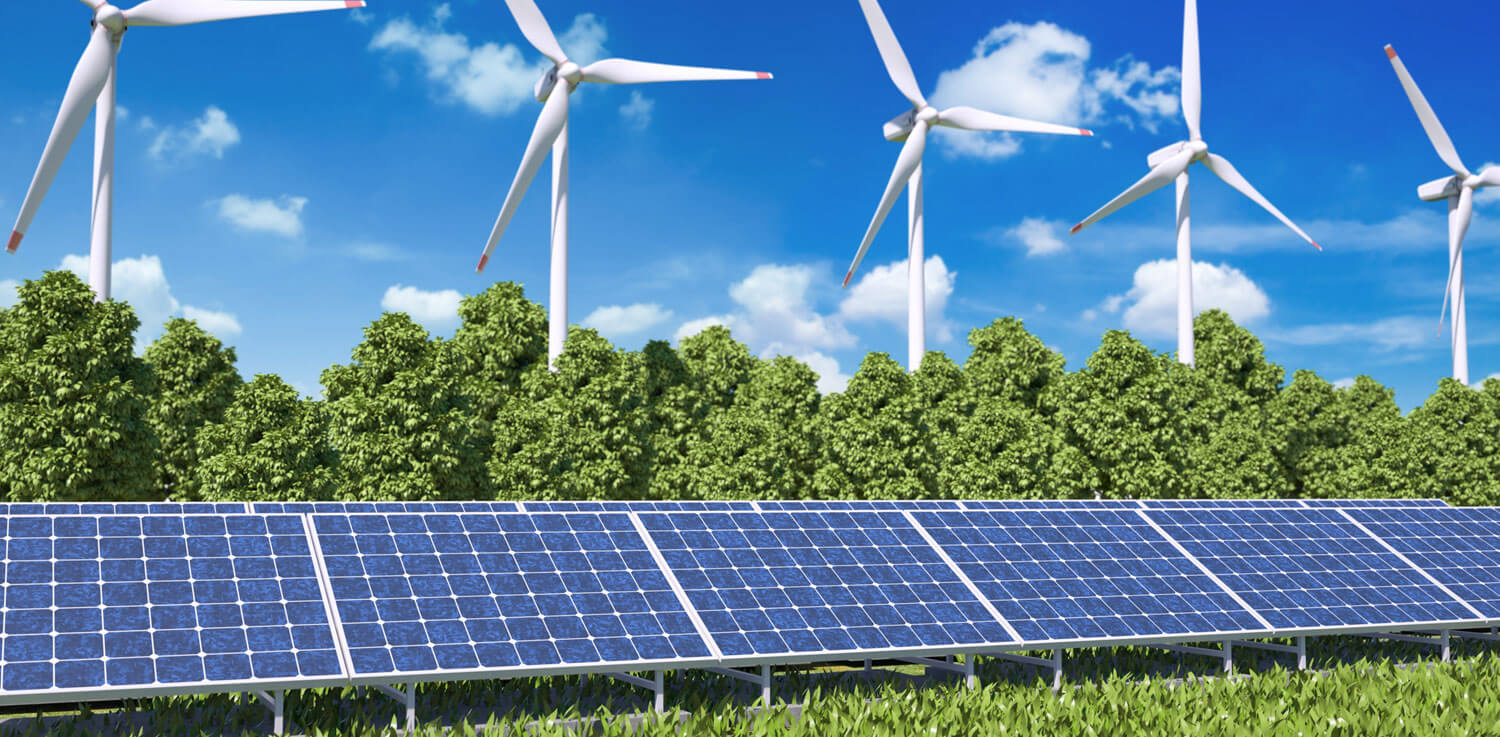
Moreover, as more competitive companies let consumers to choose their energy supply, clean energy choices can have a significant effect on global sustainability goals. Some suppliers, like Energy Harbor, offer eco-conscious, carbon-free plans that help reduce or eliminate greenhouse gas emissions (GHG), supporting the global shift toward cleaner energy.
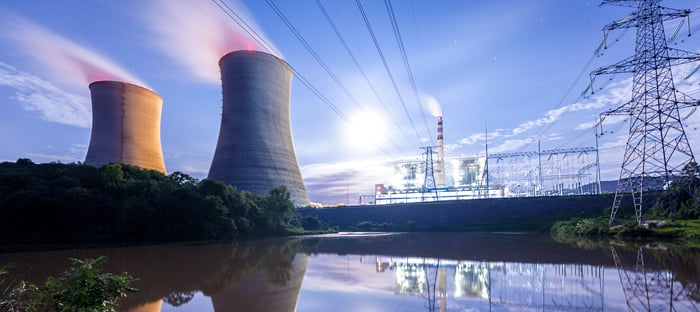
To better understand what it means to choose your energy supplier, it’s important to know how energy reaches your home or business. It happens through the interconnected work of three types of energy companies – generation companies, suppliers, and utility companies.
Once you have found the right energy supplier and a suitable natural gas or electricity plan, making the switch to the new provider is simple. In fact, your new supplier will help manage the entire process with your utility company. Both the supplier and utility want to ensure the transition is seamless and without electric service disruption. And if you have any questions, your utility’s customer service department can point you in the right direction.
The actual transfer from one supplier to the other may take up to 45 days to complete, depending on the state you live and your utility. After you’ve made the switch, check your next electricity bill – and the one after that – to confirm that your new supplier is active.
Only 18 states and the District of Columbia enjoy some form of energy deregulation. Energy Harbor offers clean-energy plans to consumers in 2 of those 18 states, including:
Energy Choice in Ohio is a freedom Ohioans have enjoyed for more than 20 years after the state passed Senate Bill 3 in 1999, deregulating Ohio’s electricity and natural gas market.
The Keystone State deregulated its electricity market in 1996 with the Electricity Generation Customer Choice and Competition Act, giving residents of PA Energy Choice.
The other 16 states that enjoy Energy Choice include Connecticut, Illinois, Delaware, Maine, Maryland, Massachusetts, Michigan, Montana, New Hampshire, New Jersey, New York, Oregon, Rhode Island, Texas, Virginia, California, and the District of Columbia.
Enter your zip code to see energy plans in your area.
Frequently Asked Questions
Information on Electric Generation and Renewable Energy Attributes