Power your home
Enjoy price security with Safe Harbor fixed price energy plans

Enjoy price security with Safe Harbor fixed price energy plans
There is no doubt electric vehicles (EVs) are increasingly appearing on our nation’s highways. As the world embraces sustainable solutions, the cost to charge an EV remains cheaper than gas prices, and battery life grows stronger. This makes more people think about switching to electric cars.
Increasing EV sales pushed the total number of electric cars on the world’s roads to 26 million, up 60% relative to 2021, with battery-electric vehicles accounting for more than 70% of total annual growth, as in previous years.
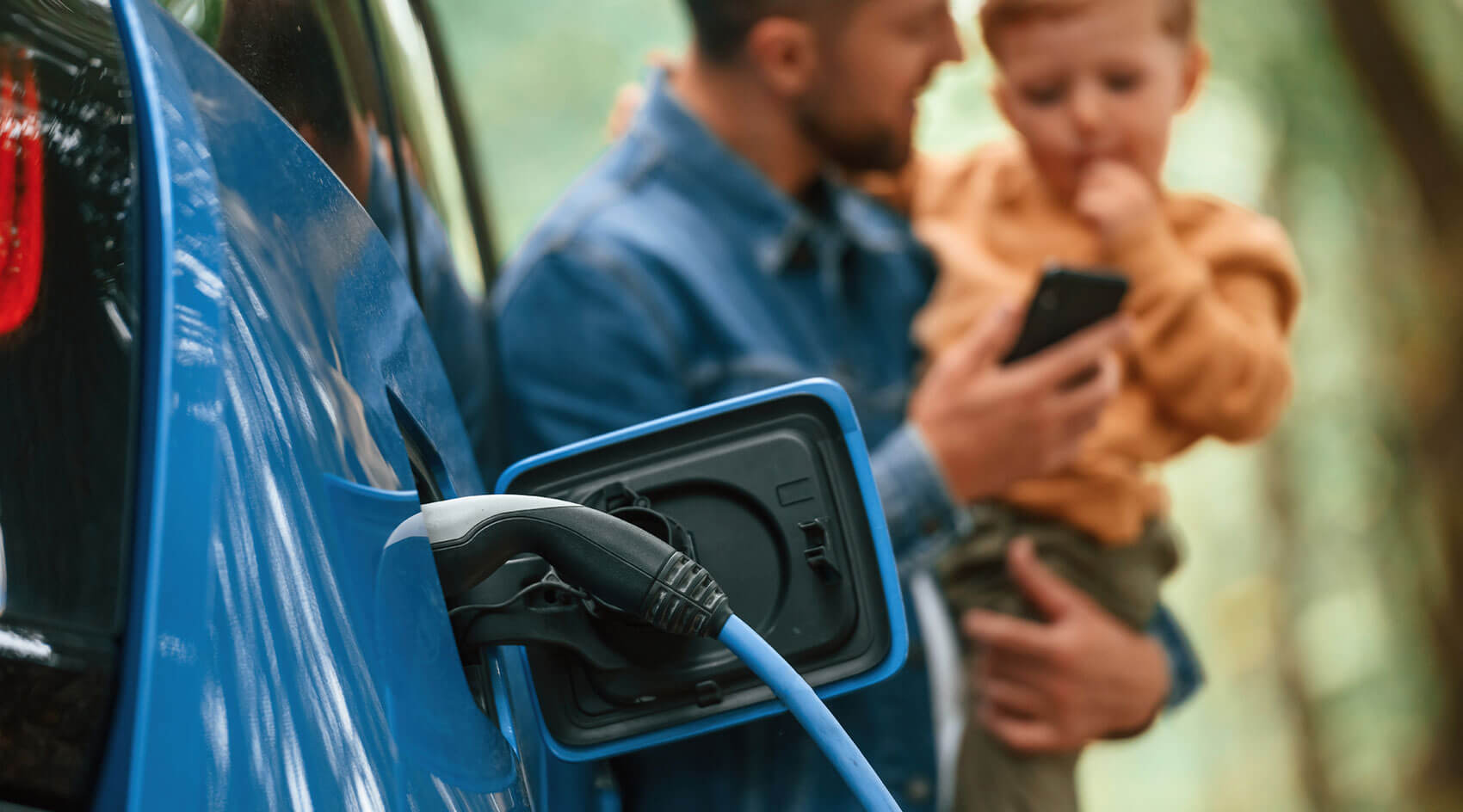
As electric car ownership rises, new drivers often wonder about the impact on their electricity bills. The good news is home charging is usually the most cost-effective option. While public stations offer convenient on-the-go charging, their rates typically range from $0.30 to $0.60 per kWh, significantly higher than the average home rate of $0.16. In fact, around 90% of electric car charging happens overnight at home, where cheaper rates prevail. So, when it comes to keeping your electric car fueled, plug in at home whenever possible for the most budget-friendly solution.
Home charging station costs come down to equipment and installation expenses, as well as your home electricity rate. Buying and installing a high-quality home charging system is approximately equal to a year of typical maintenance for a gas-powered vehicle.
The minimum tax credit provided by the IRS for purchasing a new electric car is almost double the amount of buying and installing a new home-charging system. That tax credit, in many cases, would cover the cost of both equipment and installation.
Charging an electric vehicle at home is a convenient and cost-effective way to ensure your EV is ready to hit the road when you are. Home charging equipment typically includes a Level 1 or Level 2 charging station, with Level 2 being the more popular (yet more expensive) choice due to its faster charging speed.
Level 1 chargers operate on a standard household outlet (120 volts) and have a charging rate of about 2 to 5 miles of range per hour. On the other hand, Level 2 chargers require a dedicated 240-volt circuit outside or in your garage and offer a much faster charging rate, providing about 10 to 60 miles of range per hour, depending on the charging station’s power capacity and the EV’s compatibility.
Since most garages in existing homes (not new builds) do not come standard with designated 240-volt plugs, there is an additional one-time expense of adding these upgraded outlets. On average, it can cost between $250-$800 to have an electrician install one.
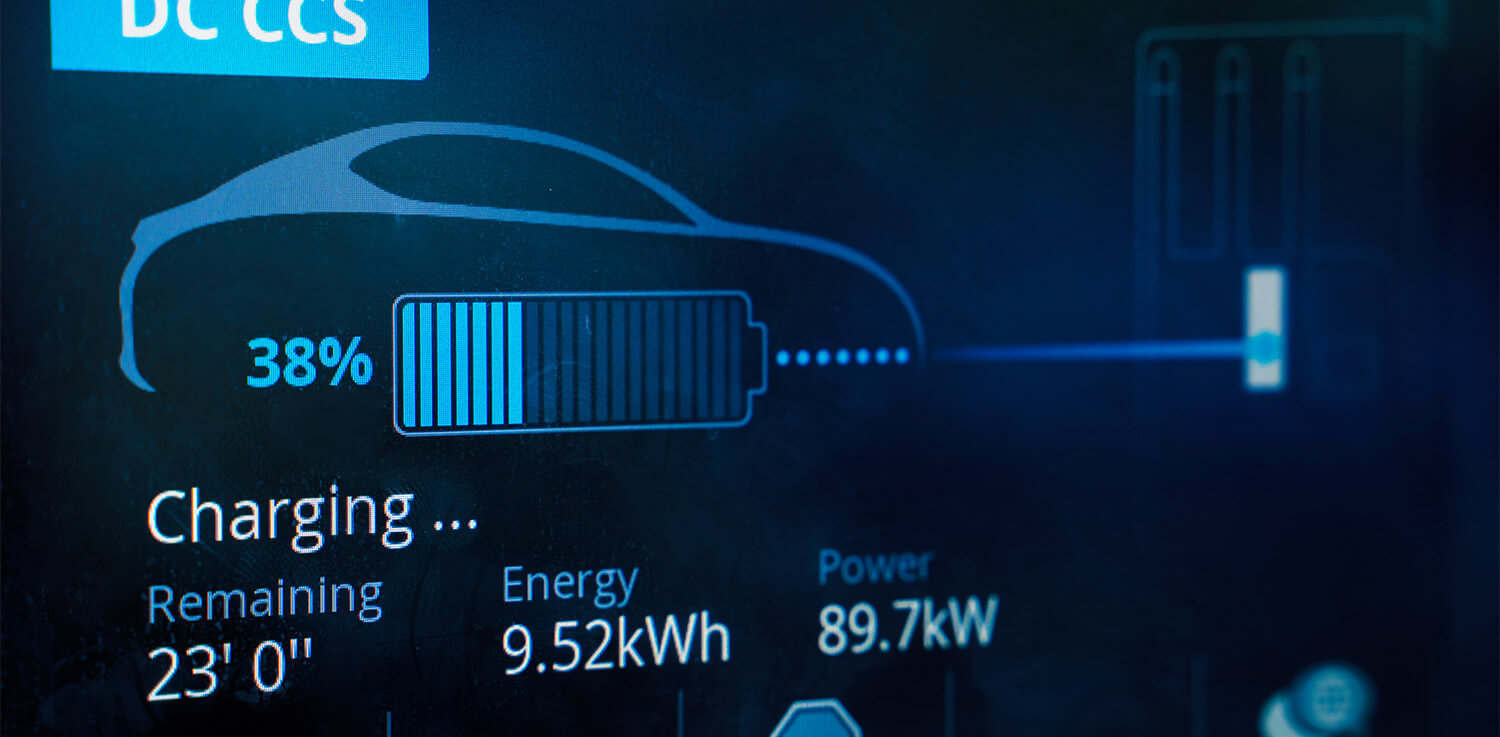
Using the average EV’s energy consumption, a home EV charger would use around 11.81 kWh per day to charge the car to replenish the range driven. This translates to about 353.3 kWh per month and 4,310.65 kWh per year. With the average electricity rate at 16 cents per kWh, that’s $1.92 a day or $56 a month. The average car uses about 490 gallons of gasoline a year. The average gallon of gas costs $3.56 in 2023 in the U.S. That’s $1,744 a year, or $145 a month.
Additionally, the average cost of an EV is about $53,000 while the average price in 2023 for a new car of any kind was about $48,000. Ultimately, over the longer haul, an EV can save you a ton of money and is better for the climate.
After considering the gas savings above, one must also consider electric rates.
Rates are subject to many factors, including the region where you live, the time of year, and even the time of day when peak charges apply. Here are a few of the more common rate types you’ll find:
For the most part, electricity usage and costs are at their lowest late at night when some utilities provide special low rates for when demand is lightest. That’s good news for anyone considering an EV.
Many people charge their EVs overnight at home. It can take anywhere between 3 to 12 hours to fully charge your battery, depending on the car model and charging level.
Your electricity rates aren’t the only thing that determines how much it will cost to charge your new EV at home. Other factors, such as battery size and driving habits, also come into play. Let’s review these additional factors:
Several options come into play when getting the most bang for your buck in charging an EV at home.
Electric vehicles are becoming more common on our roads. It is important for current and future owners to understand the costs and process of charging them at home.
By being mindful of factors that influence the costs, EV enthusiasts can optimize their home charging experience. As technology continues to advance and more innovations emerge in the realm of sustainable transportation, the future of home EV charging holds promise for even greater efficiency and affordability.
Enter your ZIP code to see energy plans in your area