Power your home
Enjoy price security with Safe Harbor fixed price energy plans

Enjoy price security with Safe Harbor fixed price energy plans
There’s a good chance the terms “clean energy,” “renewable energy,” and “sustainable energy” seem a little interchangeable to you. After all, a general understanding of each term varies widely, and many people – even experts – use some of the terms synonymously.
However, there are specificities to each, and knowing the nuance behind clean energy vs renewable energy can make all the difference. For example, a legislator who drafts a bill using the term “renewable energy” may fail to account for sustainable energy sources that are not renewable, like biofuels, explain experts at Johns Hopkins University.
When you’re a consumer shopping for an environmentally friendly energy plan, it’s important to ensure your choice aligns with your values. Energy Harbor is here to guide you.
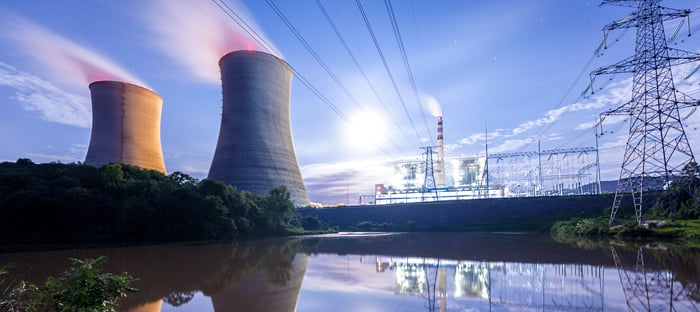
Clean energy refers to energy produced with little to no greenhouse gas emissions (GHG). These power sources are characterized by their small carbon footprint and vital contribution to mitigating our climate challenges. Clean energy includes low-carbon, carbon-neutral and carbon-free energy sources such as nuclear power. In 2022, 41% of United States electricity was produced via clean energy sources.
Benefits of clean energy include:
Energy generated from natural resources, such as wind, solar, and water, that replenishes itself over time is considered renewable. Time plays a big role in defining a renewable energy source. That’s why fossil fuels, which take millions of years to form, are not among the various types of renewable energy sources. In 2022, renewable energy sources accounted for about 12.4% of total U.S. primary energy consumption, according to the U.S. Energy Information Administration.
Sustainable energy refers to energy sources that will not be depleted for the foreseeable future and do not jeopardize the climate. While nuclear energy is not considered renewable, for example, it is considered by some to be sustainable due to its lack of air pollution and abundant supply. That designation is still debated, however.
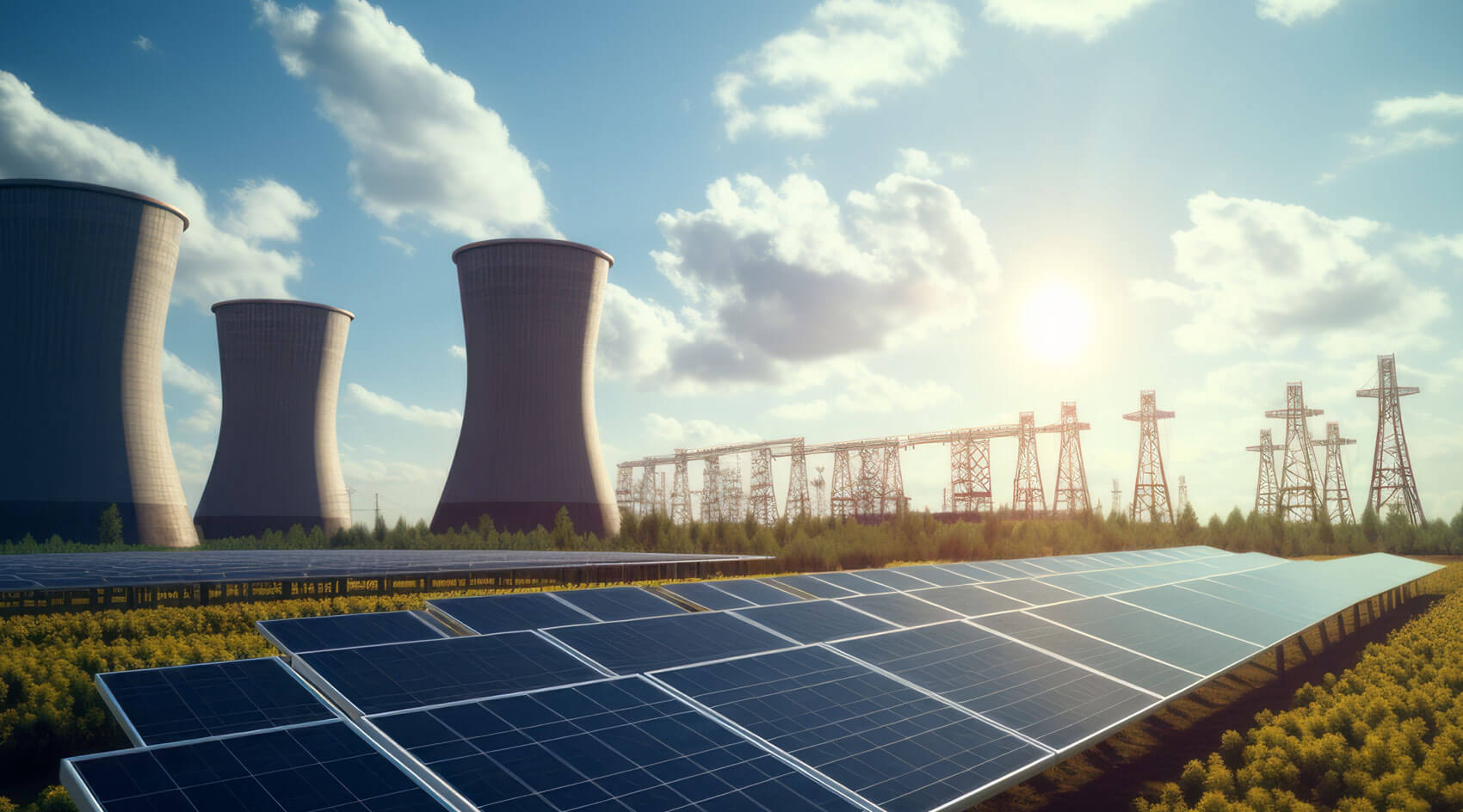
Subtle differences between clean, renewable, and sustainable energy often lead to consumer confusion. What makes it even more of a challenge for eco-conscious customers is that some energy sources can be more than one type. For example, solar power is both clean and renewable, while hydropower is renewable, but not clean.
Confusing, right?
No worries. We’re here to help you navigate through all the similarities and differences. Here are some of the most common energy sources:
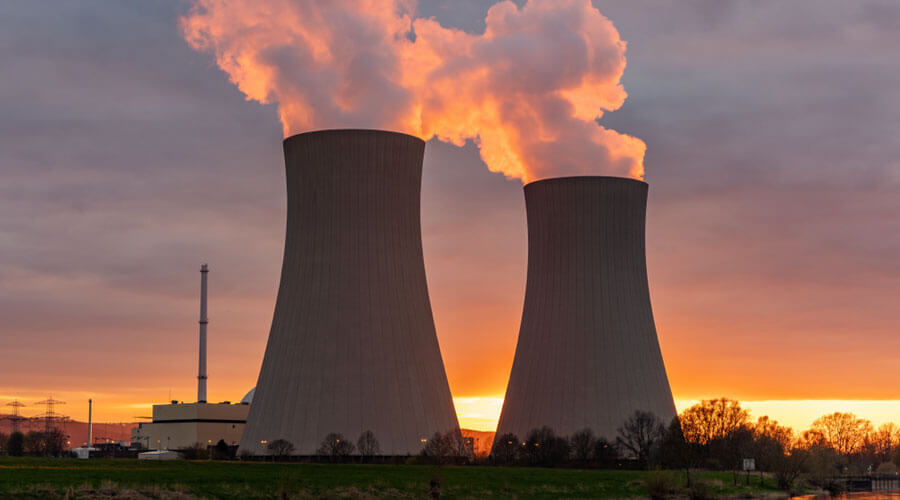
Generating electricity via nuclear power is a carbon-free, zero-emission product. For this reason, it is considered a clean energy resource, on par with renewable energy sources, according to the International Atomic Energy Agency. Nuclear power avoids more than 471 million metric tons of carbon dioxide emissions annually and produces more electricity on less land than any other clean-air source. In 2022, nuclear energy provided 47% of the U.S.’s carbon-free energy.
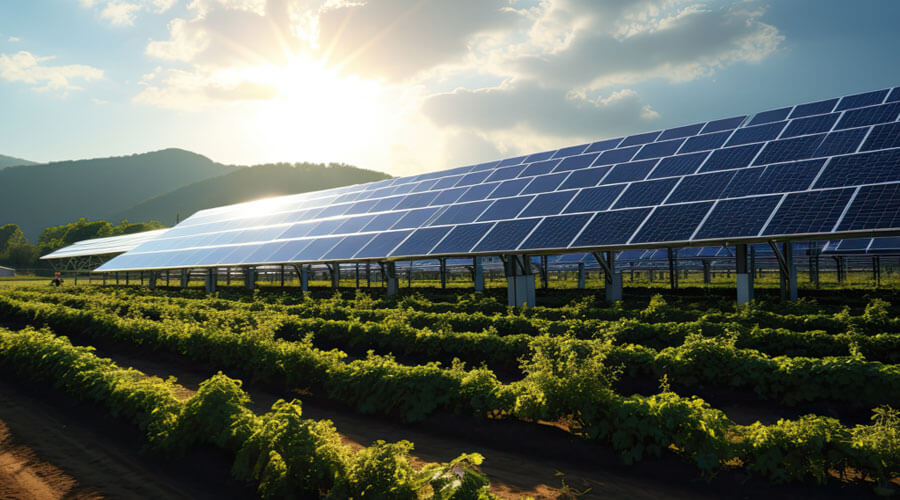
Because certain materials generate an electric current when exposed to light – a process called the photovoltaic effect – we can use technology to harness the sun’s radiation to produce electricity via solar panels. Solar panel installations can be simple, such as rooftop panels, to help power homes. And even though solar energy is the most abundant energy source on Earth, solar reliability can be challenging since solar panels cannot charge at night and may be affected by inclement weather. Solar power is clean, renewable and sustainable.
The spinning blades of an offshore wind farm generate electricity by capturing the wind’s kinetic energy. A generator connected to the turbine turns that wind energy into electricity, which makes its way to the grid. In 2022, wind power avoided 336 million metric tons of C02 emissions. And wind is fueling the U.S. economy. The industry employs more than 126,000 Americans. Wind power is clean, renewable and sustainable.
Geothermal power taps into our planet’s natural, internal heat and converts that heat to electricity. It does so by accessing hot water wells deep within the Earth. Superheated water and steam are extracted. The steam is used to fuel power plant turbines, and the water is reinjected into the well. Geothermal energy is classified as renewable, but not clean energy due to the GHGs associated with drilling. However, these emissions are roughly about one-sixth of those produced a standard natural gas-fueled power plant. Geothermal power is renewable and sustainable.
Moving water generates electricity through the hydropower – sometimes called hydroelectric power – process. Water sources include rivers, waterfalls, and dammed reservoirs. The controlled flow of water is directed into a turbine which generates electricity. And hydropower is used more often than you might think. More than 70% of the state of Washington’s electricity comes from hydropower. Hydropower is clean, renewable, and sustainable.
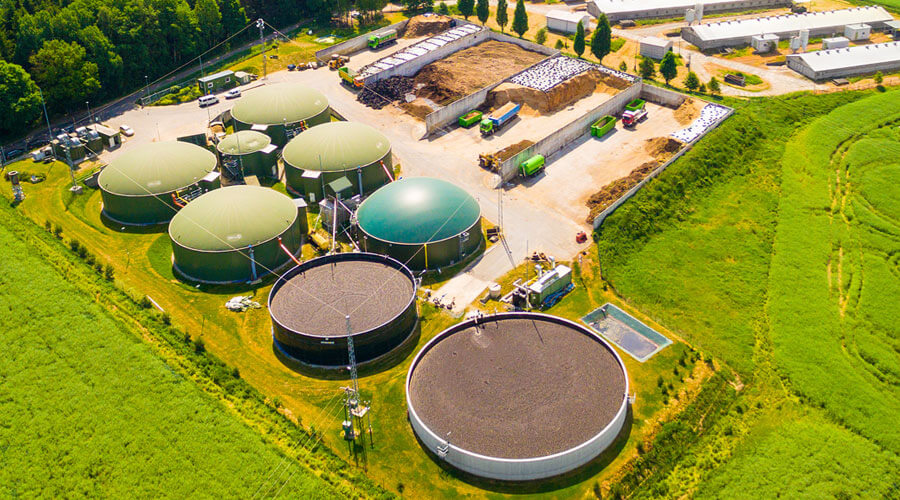
By collecting and burning organic materials, such as wood chips, biowaste and crop residues, we can generate electricity via biomass energy. This can be accomplished through combustion or gasification. The heat from both processes boils water, creating steam, which is used to fuel a turbine. There’s no need to worry about the source of biomass fuel. By 2030, the U.S. will likely produce 1 billion tons of biomass annually. Biomass is renewable and sustainable.
Choosing an energy supplier that generates safe, reliable, carbon-free nuclear energy is an easy way to help ensure a low-carbon future. Energy Harbor offers customers a wide selection of affordable plans that help protect the environment and mitigate global warming.
Ready to switch to a clean, carbon-free energy plan?
Enter your ZIP code to access rates in your area